FRESH AIR
WITHOUT OPENING WINDOWS
A modern house is airtight — and that is good, as long as nobody forgets to ventilate. Heat recovery ventilation exchanges the air continuously and passes the heat from the outgoing air to the fresh air, so you ventilate without heating the outdoors through the window.
Heat recovery principle — temperatures are illustrative
AN OPEN WINDOW
IS NOT VENTILATION
Humidity and mould
A typical household produces several litres of water vapour a day — from cooking, showering, drying laundry and breathing. In an airtight house it has nowhere to go and condenses in the coldest spots.
Stale air
In a closed bedroom, carbon dioxide rises so much overnight that you wake up with a heavy head. An open window solves that — and at the same time drives out, within minutes, the heat you have been paying for all day.
Heat that escapes
That is exactly why heat recovery has a heat exchanger: the used air passes its heat to the fresh air on its way out. You ventilate continuously, but you do not heat the outdoors.
DECENTRALISED
OR CENTRAL?
In the wall, room by room
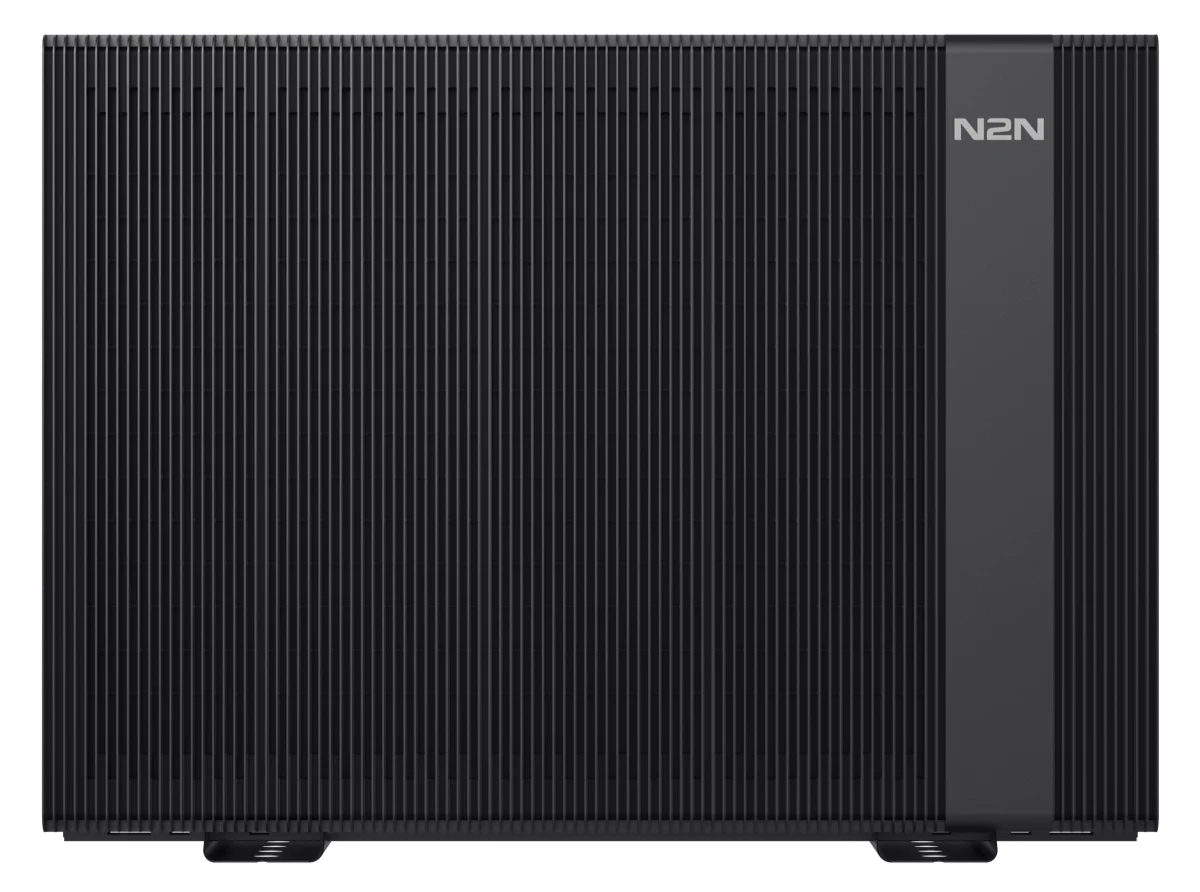
Small units directly in the external wall of individual rooms. Each one ventilates by itself, alternately drawing in and exhausting air through a heat-exchange core.
- No ductwork and no suspended ceilings — no need to re-plan the whole house
- Can be added to a finished house, even one room at a time
- You deal with each room separately, according to how you use it
- Intervention in the external wall — a penetration for each unit
Suits you when you are renovating, have no route for ductwork, or want to start with the bedroom and the children's room.
More about decentralised heat recovery →One unit for the whole house
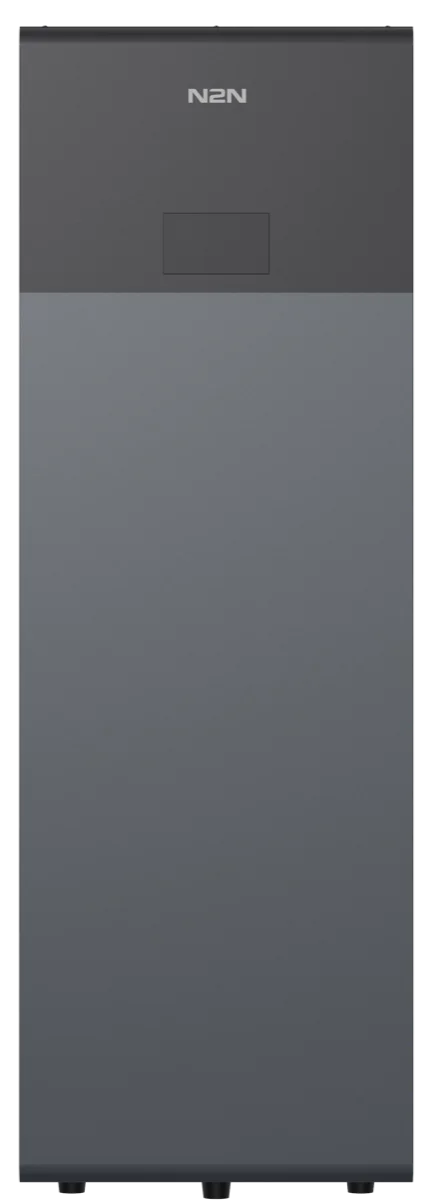
One unit in the plant room and ductwork throughout the house: fresh air goes to the living room and bedrooms, used air is extracted from the bathroom, WC and kitchen.
- One unit, one filter, one maintenance routine
- Air flows through the house in one direction — from the bedrooms towards the extract points
- The unit is in the plant room, the rooms stay quiet
- Needs ductwork — cheapest to install during construction
Suits you when you are building or doing a major renovation and can still route ducts into the ceiling or floor.
More about central heat recovery →TWO AIRFLOWS
THAT NEVER MIX
Extracted where it arises
Humidity and odours from the bathroom, WC and kitchen — directly at the source.
The heat exchanger transfers the heat
Both airflows pass each other, separated by a thin wall. The heat passes through, the air does not mix.
Fresh air goes where you are
Pre-warmed air flows into the living room and bedrooms — without draughts.
Runs constantly, quietly
You do not have to think about anything. The output can be turned down at night and up when you have guests.

WANT TO VENTILATE
WITHOUT WINDOWS?
Tell us whether you are building or renovating — that tells us which way suits you.